

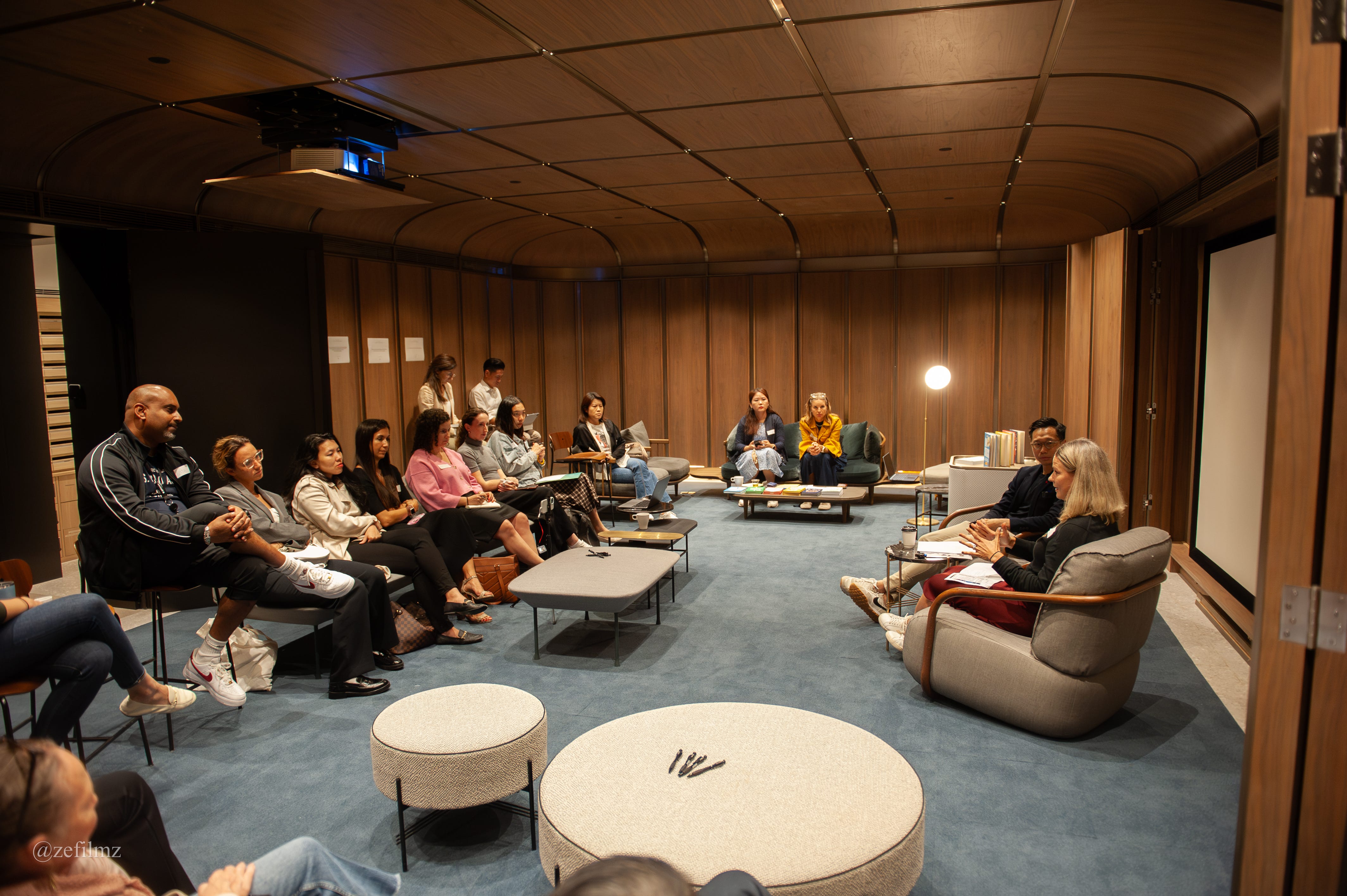
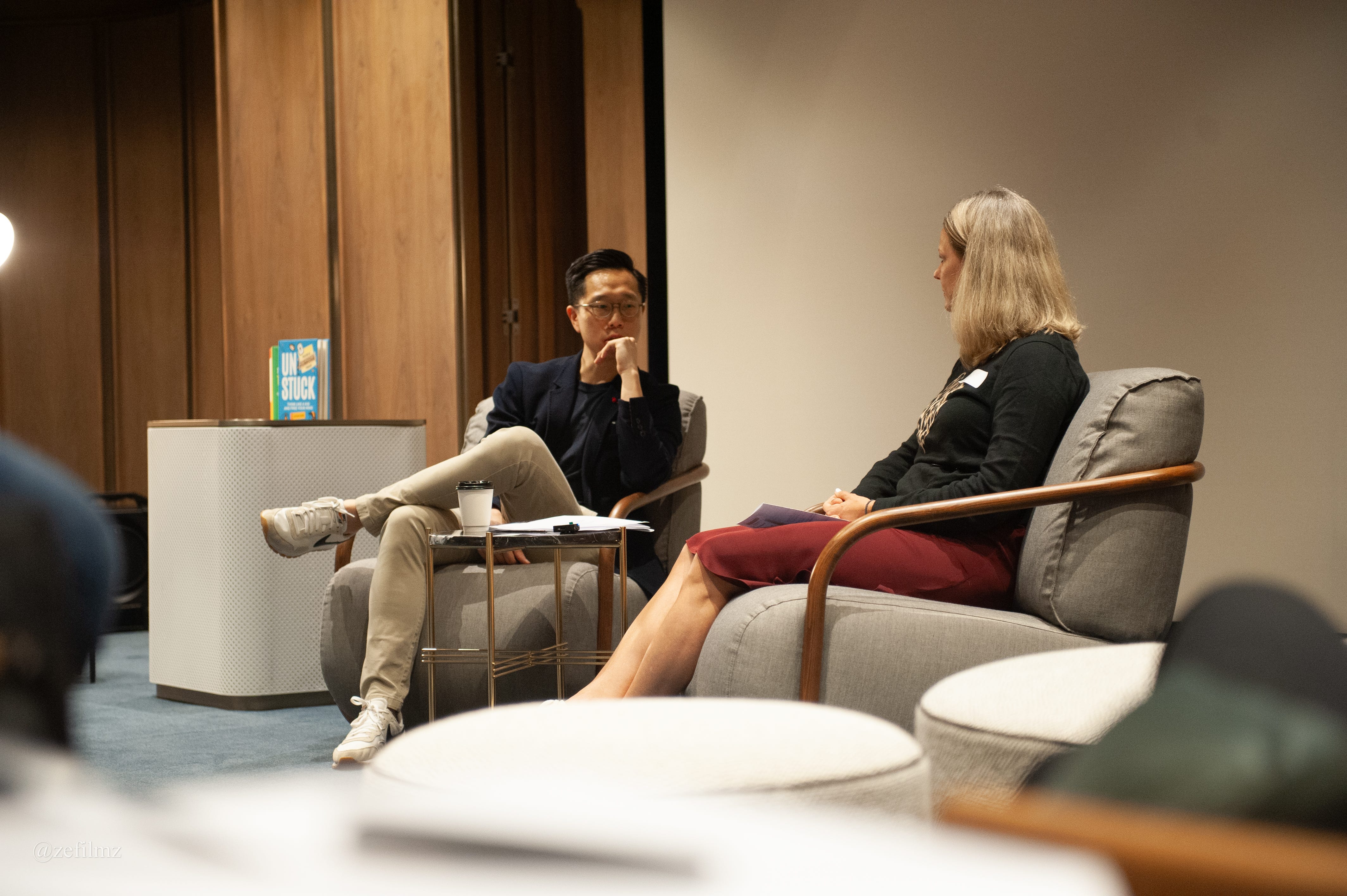
Last week, I invited Gwen Lockington, Head of HR Asia at National Basketball Association to have a chat. The topic was Being a Better Human for a High Performance Life. I jokingly said, “I wanted to play in the NBA when I was young and this is the closest I can get to that dream.” People laughed with me.
This was in fact how I introduced myself when we met up for the first time. I leaned in to my childhood dream. I remember vividly giving up that dream in year 9. I wanted to fit in at a new school. The same year I was booed by over 1,000 pupils while I was competing on our annual sports day. I went home with three medals, my name was on the newspaper but deep down I was sad. My parents only found out about this 25 years later after I published my third book.
Asians, as we are often told both in school and at home, we are better off to pursue academics and other non-contact sports because of our physique. The rejection was too much for me made me come out from my introverted shell in a way. I made efforts to talk and engage with others, with that I made lots of mistakes and said many inappropriate things. I stopped hanging out with the only friend I had because we were both unpopular, I apologized to him and had lunch with him last year finally. I even went to church and got baptized the year after. I started to have friends though there were many parts of me I let go. I was trying to be someone else.
What’s your childhood dream? More importantly, what’s your relationship with it?
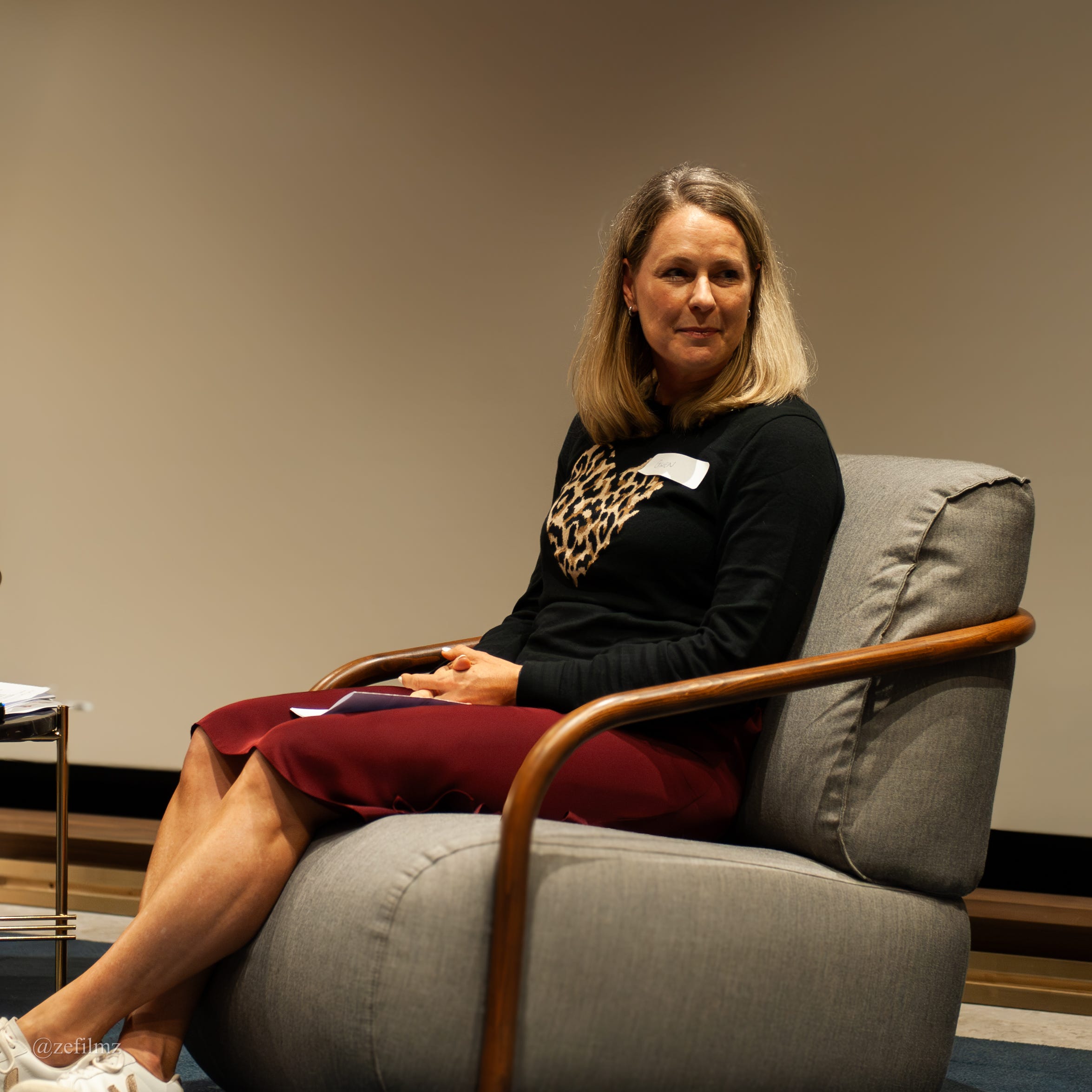
Gwen shared a lot of wisdom and this particular quote from her struck us:
“The picture of success is not dictated by money or titles but that I’m at peace with myself, combined with that we are giving good vibes plus we’ve been energised by how we’ve spent our time.” Gwen Lockington
After the event ended, I reflected on these two questions that were raised in our discussion.
Question #1: this was raised by a very successful F&B owner:
I feel like I haven’t done enough and I’m always rushing.
How can I slow down?
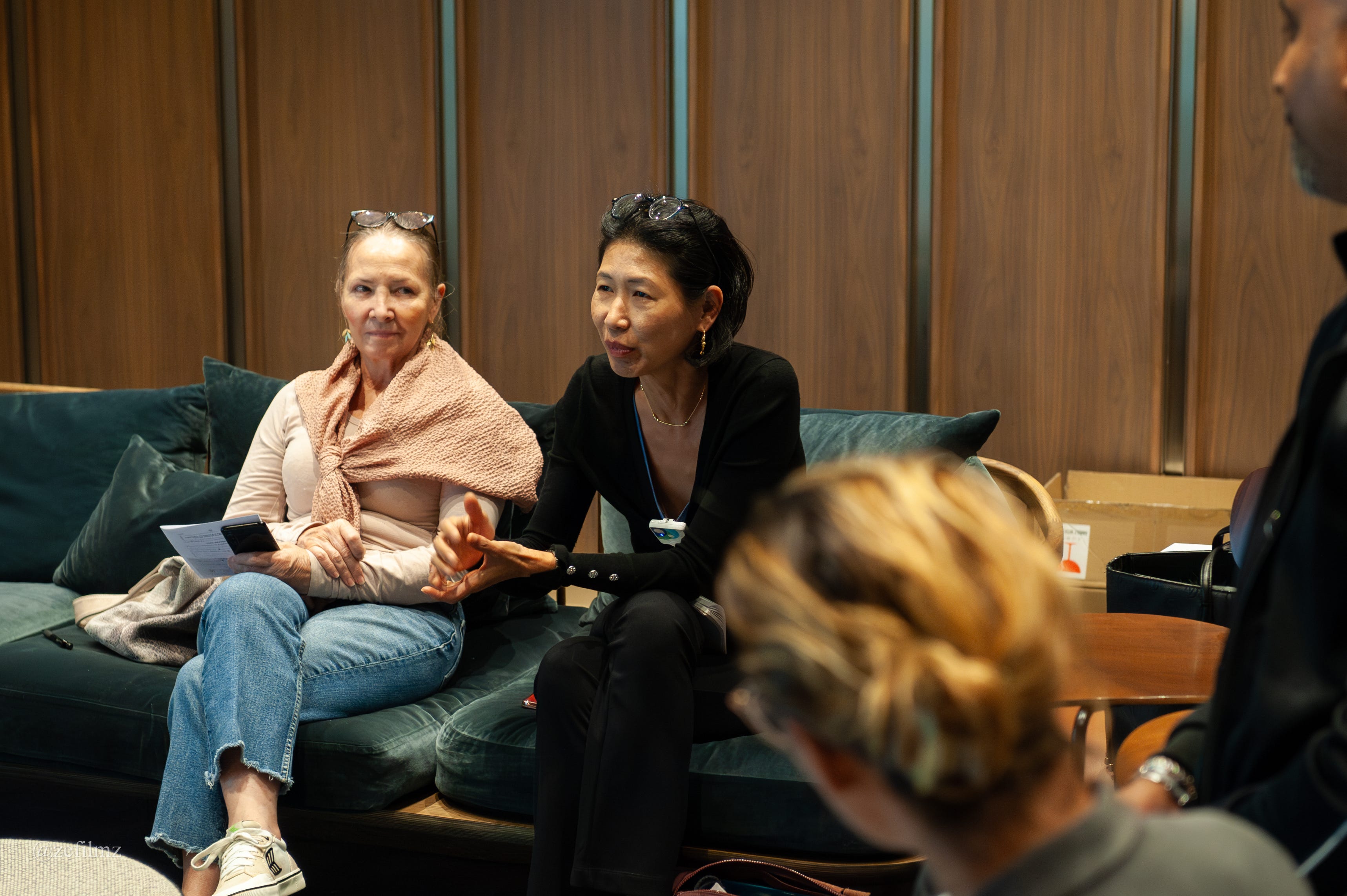
When I took this question, I rambled a bit. I wasn’t very concise with my delivery. I went out and had dinner with her afterwards. I told her I would like to answer it in a slightly different way, a question I reflect on often:
“At what cost and is it worth it?”
Every decision we make, there’s bound to be upside and downside, and there’s tradeoff. We need to finish that email, we need to finish that proposal. At what cost? Does that mean we will miss having dinner with our family and friends? Does that mean we will need to skip our workout session? Does that mean it will prolong our sedentary habit? Does that mean we will skip our meal? What’s the impact on our relationship, health, fulfilment? Is it worth it?
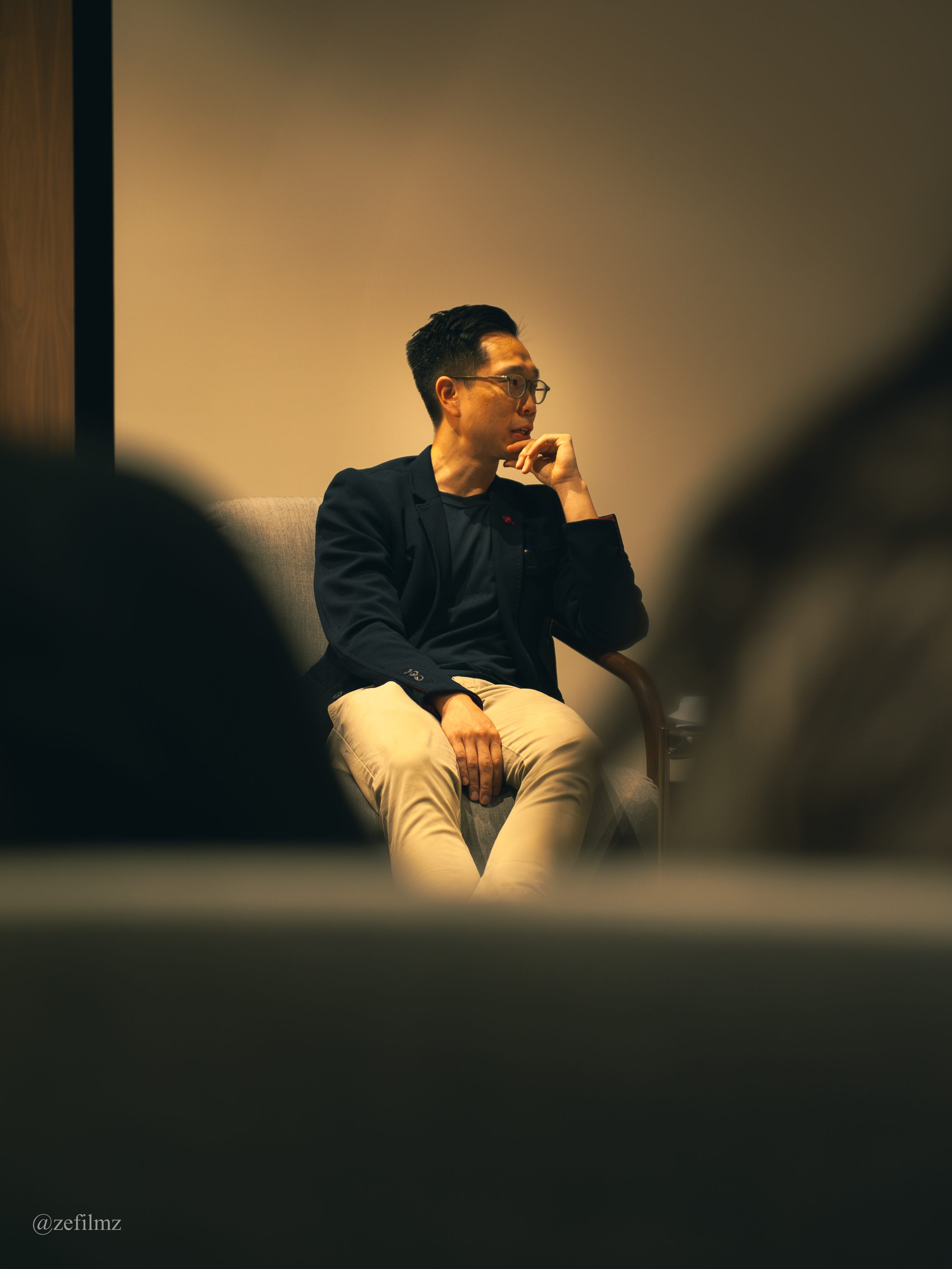
I have had two episodes of facial paralysis in my life. Naturally, the answer is pretty straight-forward to me. Nothing is worth our health. Take care of your mind and your body first. The rest will come. I learnt to design an environment and cue to remind me to slow down.
A high performance life requires saying a lot of no to distractions and be super intentional about how you spend time. At the same time, we also need to tune into our body and mind, about what they are telling us. We need to fill our cup while filling others. We don’t rise to the pressure of the external environment. We fall to our response to the external environment. Change your inputs (cue), redesign your system (environment), your output will also change.
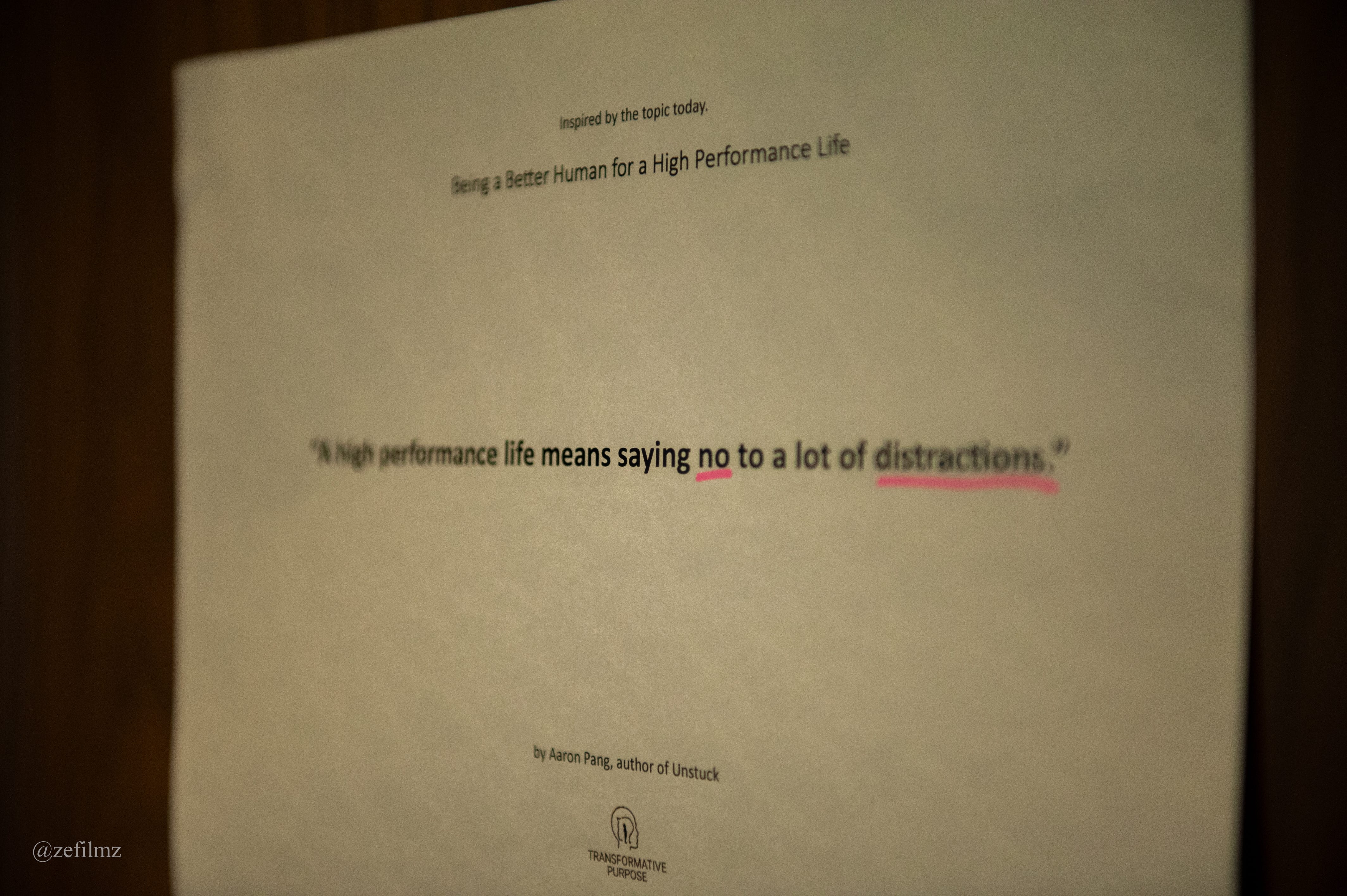
The night before the talk. I wrote a number of thoughts about the topic. These are the top ones rated by my team.
1 - “We are a product of our habits. Better habits lead to better choices. Better choices lead to a better life. You’re in control.”
2- “Getting stuck is a narrative and feeling stuck is an emotion. You get to decide whether you want to hang on to them or do something about them, step by step.”
3 - “I don’t always get it right, but I will always strive to do better next time. It’s the same with these lines that you’re reading right now.”
4 - “You can’t be a high performer if things are always sucking the energy out of you. Craft a life where something excites and energises you. It doesn’t mean it needs to be one or the other. Master AND. Life is not binary.”
5- “We all have different hats to wear, different roles to navigate and tradeoffs we need to make. Being a high performer who benefits only yourself is narcissistic. Being a high performer and taking people together with you on your growth journey is what being human is all about. Humans can’t survive alone.”
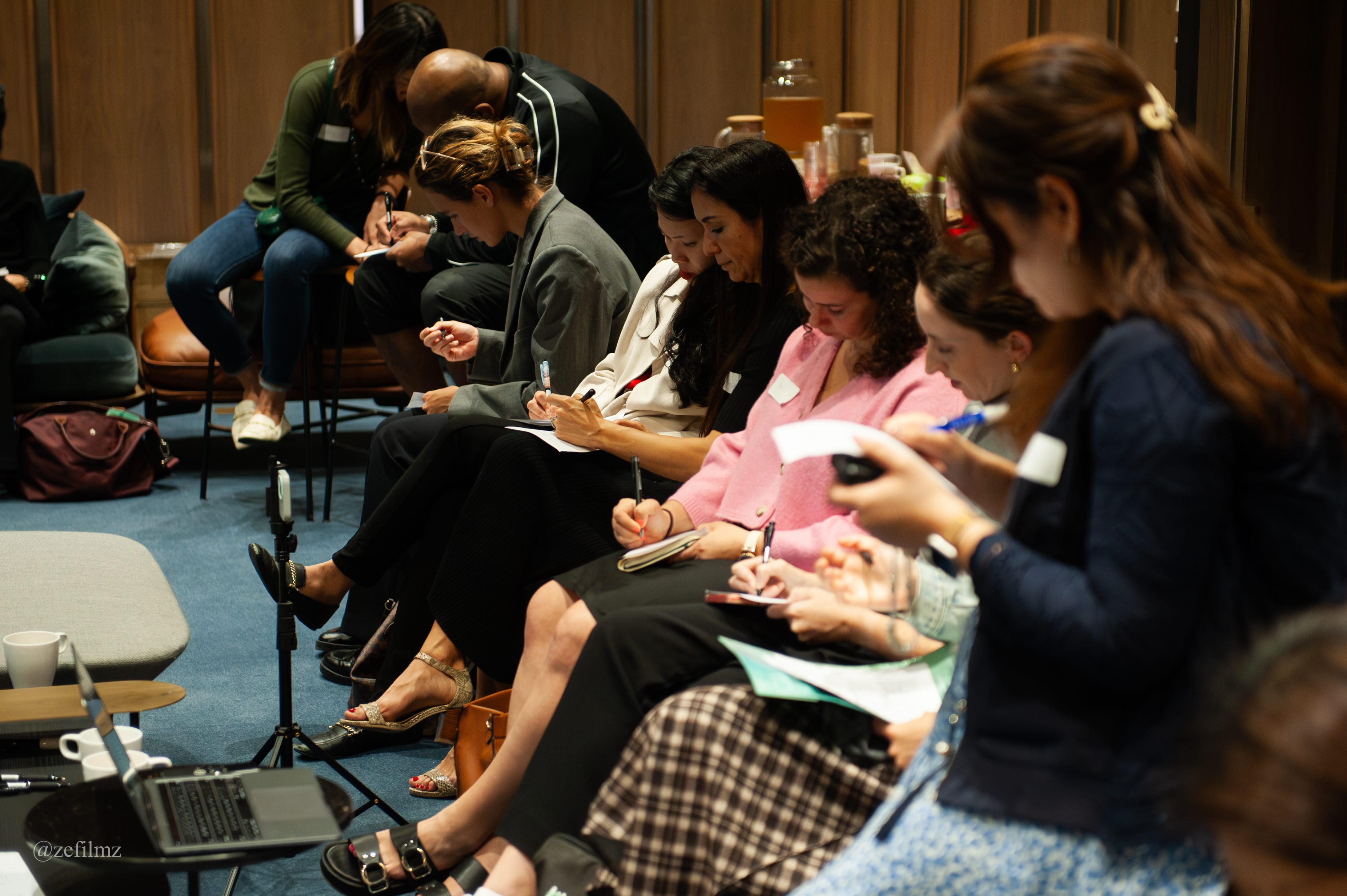
I have benefited a lot from writing. Journaling in particular is a great tool to help us slow down, separate our self from our emotion, behaviour, and tune into gratitude and life moments. We did an exercise and it was great to see everyone reflecting together. If you’d like to find out more about our Transformative Journal, send us an email if you are in Hong Kong, or check it out on Amazon.
I felt urgency all the time and the main reason why I wrote Transformative Thoughts on Intentional Living. There’s always this internal push to achieve more, to aim higher, to get everything done NOW. And I would beat myself up for not doing enough, for not finishing everything right now.
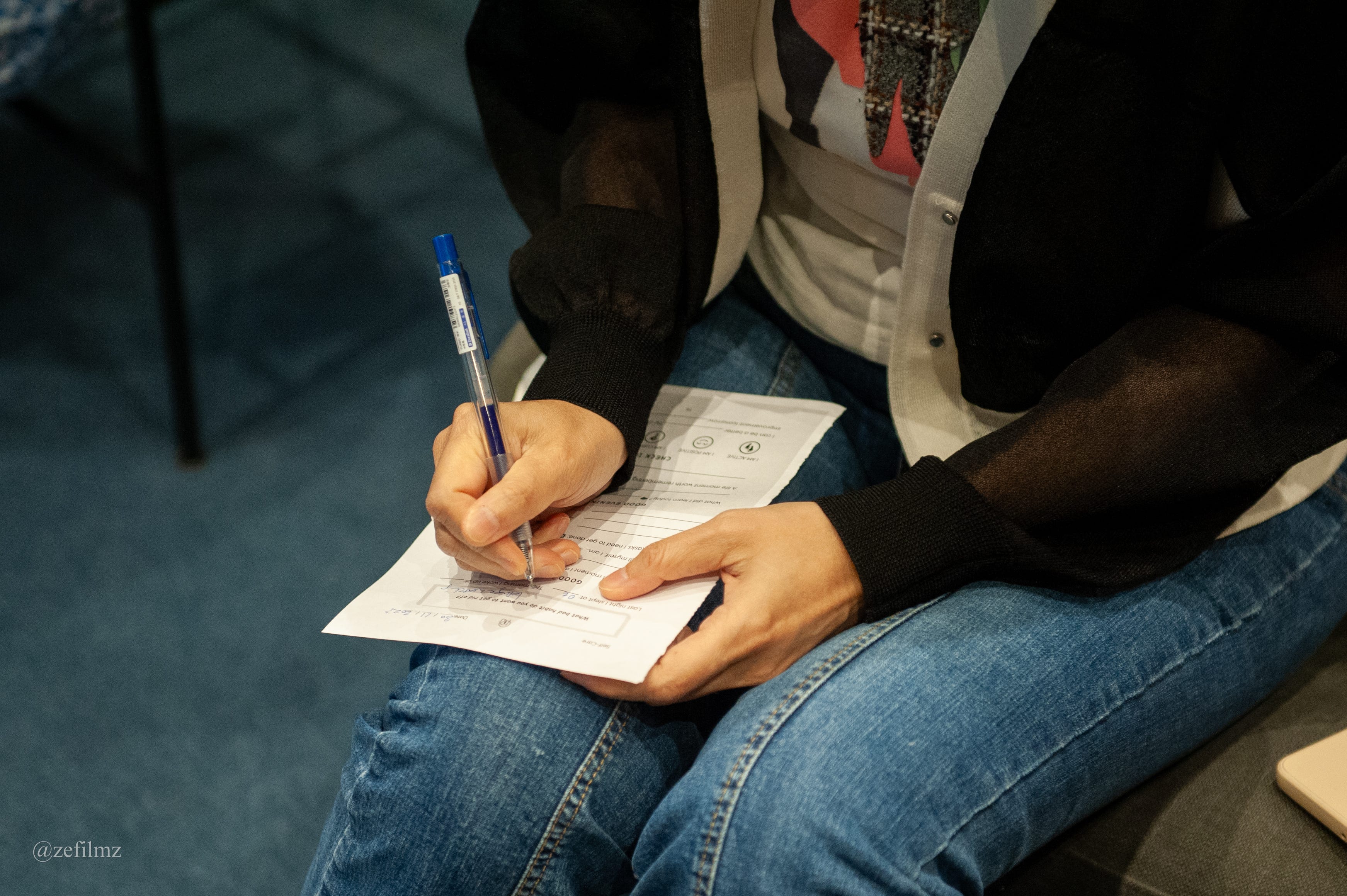
And nowadays, I would force myself to do things that slow me down.
I would wait until that green light come on, and not jaywalk. I would resist the temptation of checking my phone and disconnect from the world while I am hiking, having a coffee with someone. Habits are built over time. How we manage urgency in one part of our life will manifest in other parts of our life. When we succumb to external pressure and when we consistently be vague about our boundary, the cup will leak. But for how long can we keep doing it?
Question #2: this was raised by a data engineer
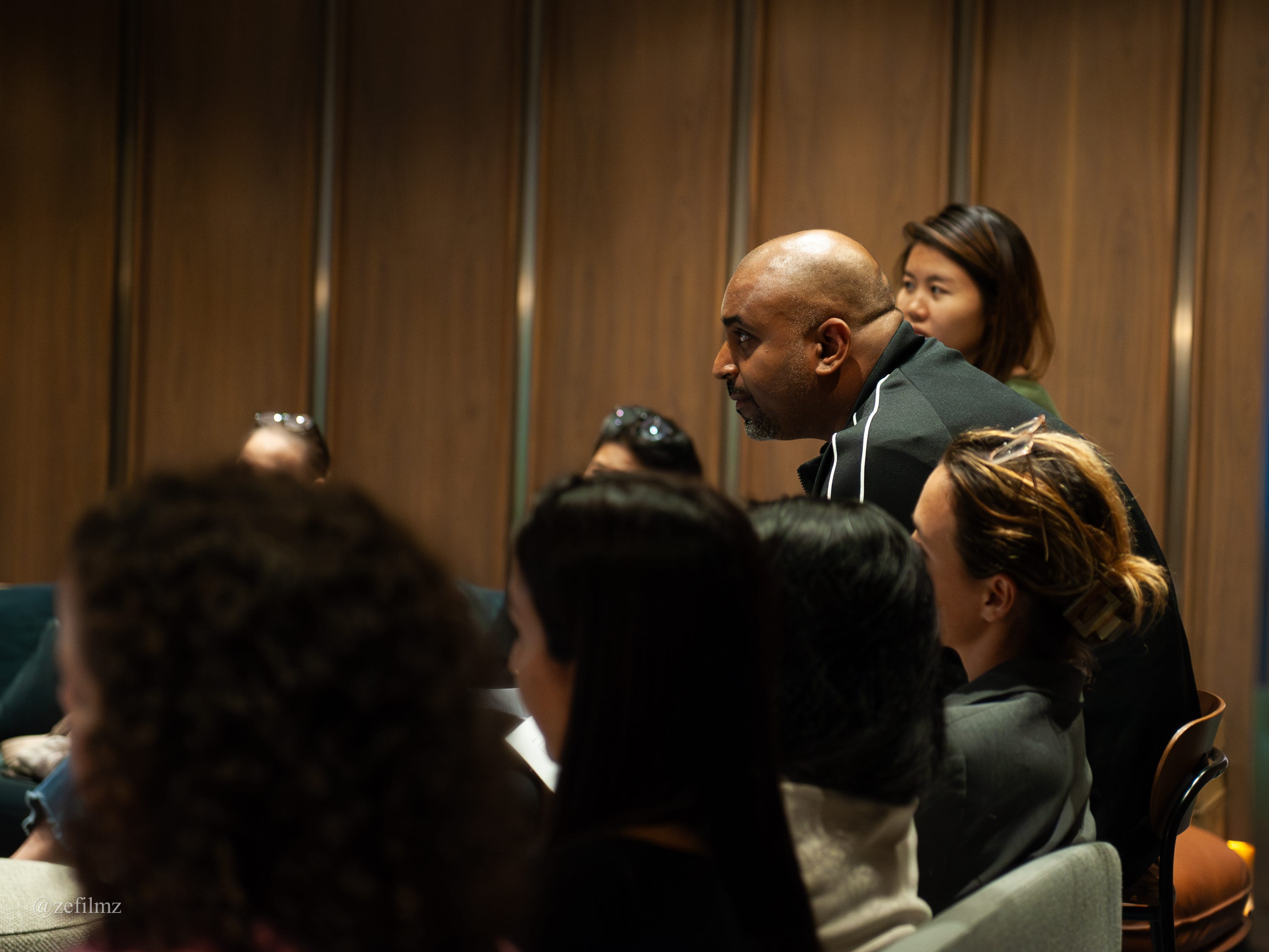
Can we control perception?
One of my favourite inspirations comes from Charles Cooley, a sociologist who said this:
“I am not who I am.
I am not who you think I am.
I am who I think you think I am.”
I think we can’t control most perceptions because they are formed by others. But we should always try to show up with our best intention while striking a balance with our different priorities in life. Everyone’s belief system is influenced by a number of things which we have no control and or no knowledge of. That being said, we are responsible if we start to see a similar pattern from the feedback loop we get from others.
Together,
Aaron