

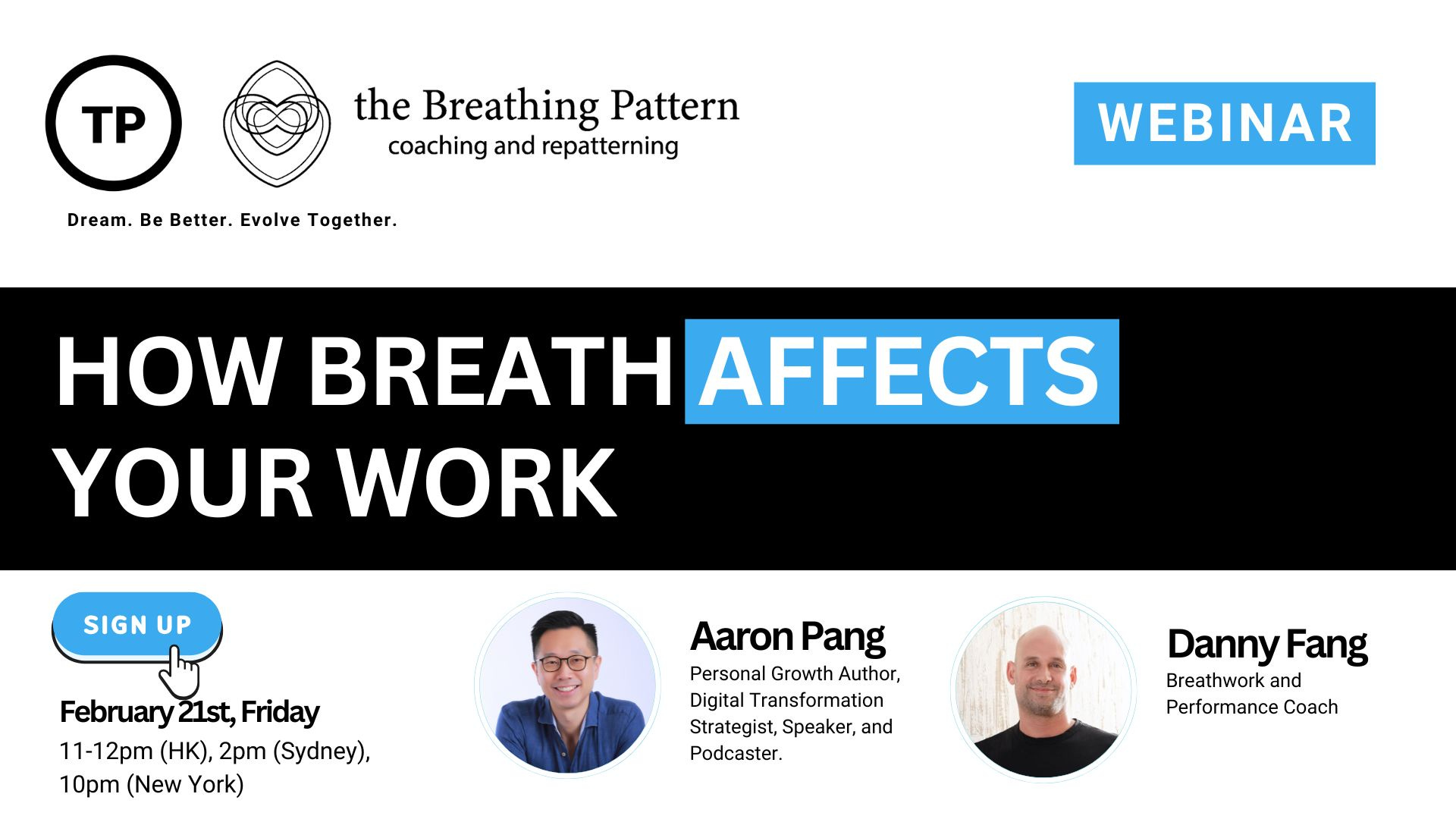
I invited Danny Fang, a breath mastery coach to talk to The Purpose Club community about the profound impact that our breath has on our performance, emotional well-being, and overall life quality.
The Importance of Breath in Our Lives 🌬️
Breathing is the most fundamental function of our body, yet many of us take it for granted. This webinar aims to enhance your understanding of how conscious breathing can significantly affect every aspect of your life. By becoming aware of your breathing patterns, you can start to take control and make conscious choices that benefit your health and well-being.
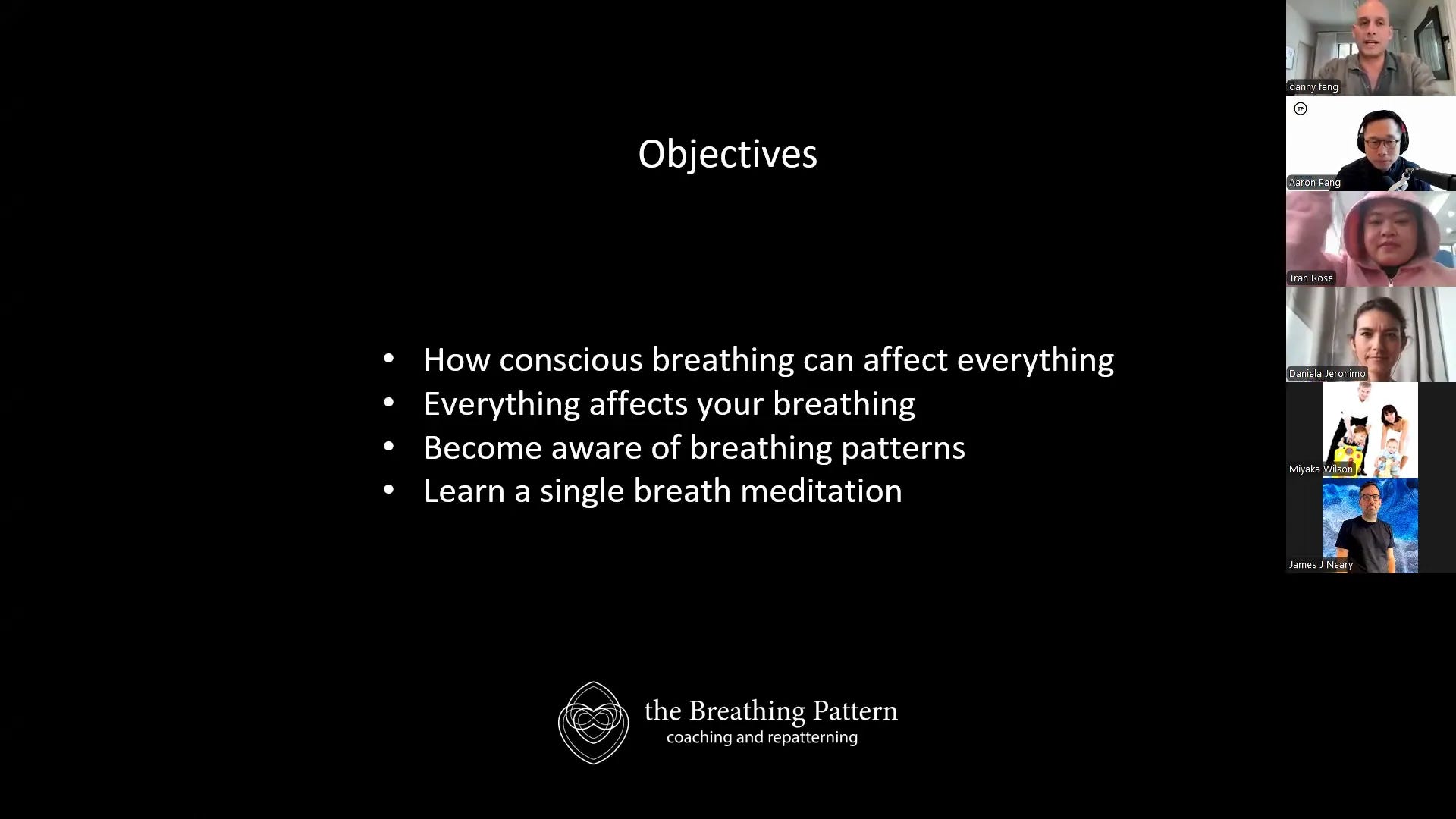
It was a transformative experience for me in two folds:
#1 I didn’t know I could do hold my breath for 90 seconds! And everyone did it!
#2 It only takes 20 short breaths to trigger hyper-ventilation. I started sweating, feeling dizzy.
The way we breathe isn't just about air intake; it's intertwined with our biochemistry, biomechanics, nervous system, and even our energy levels.
Missed it? - you can watch replay here ▶️
Insights from Breath Coach 💡
Understanding Natural Breathing Patterns 🧠
Most people feel that they don't know how to breathe properly. But here’s the truth: you’ve been breathing long enough to get this far in life! The misconception lies in the belief that we are doing it wrong, rather than recognizing that we can do it better.
If we observe infants, they breathe effortlessly and naturally. Their bellies expand on the inhale, and they relax completely on the exhale. This uninhibited breathing pattern is something we all have within us, even if it has been altered by stress and other factors.
Breath and Biochemistry 🧠
Breathing serves an essential purpose: ventilation.
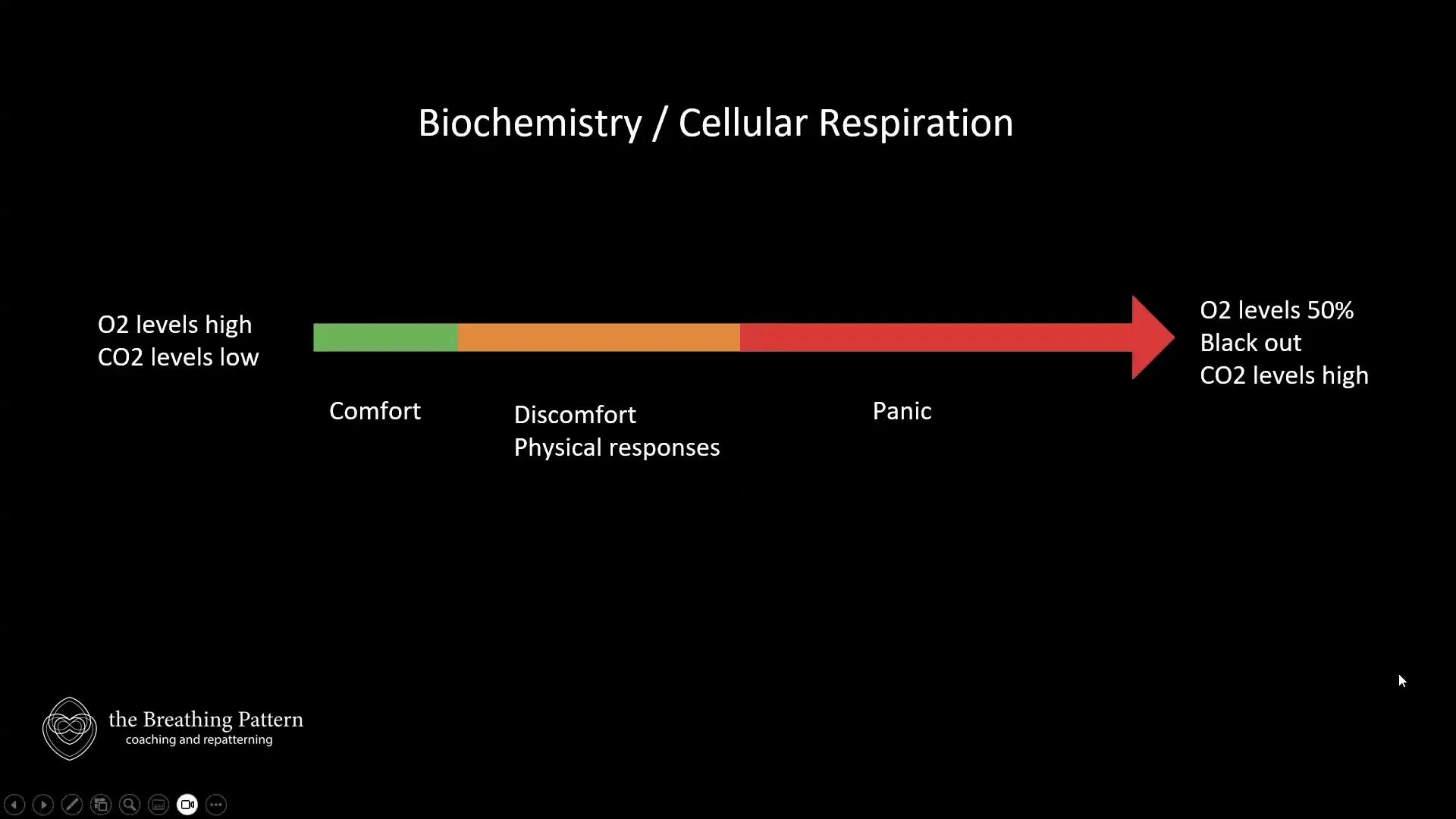
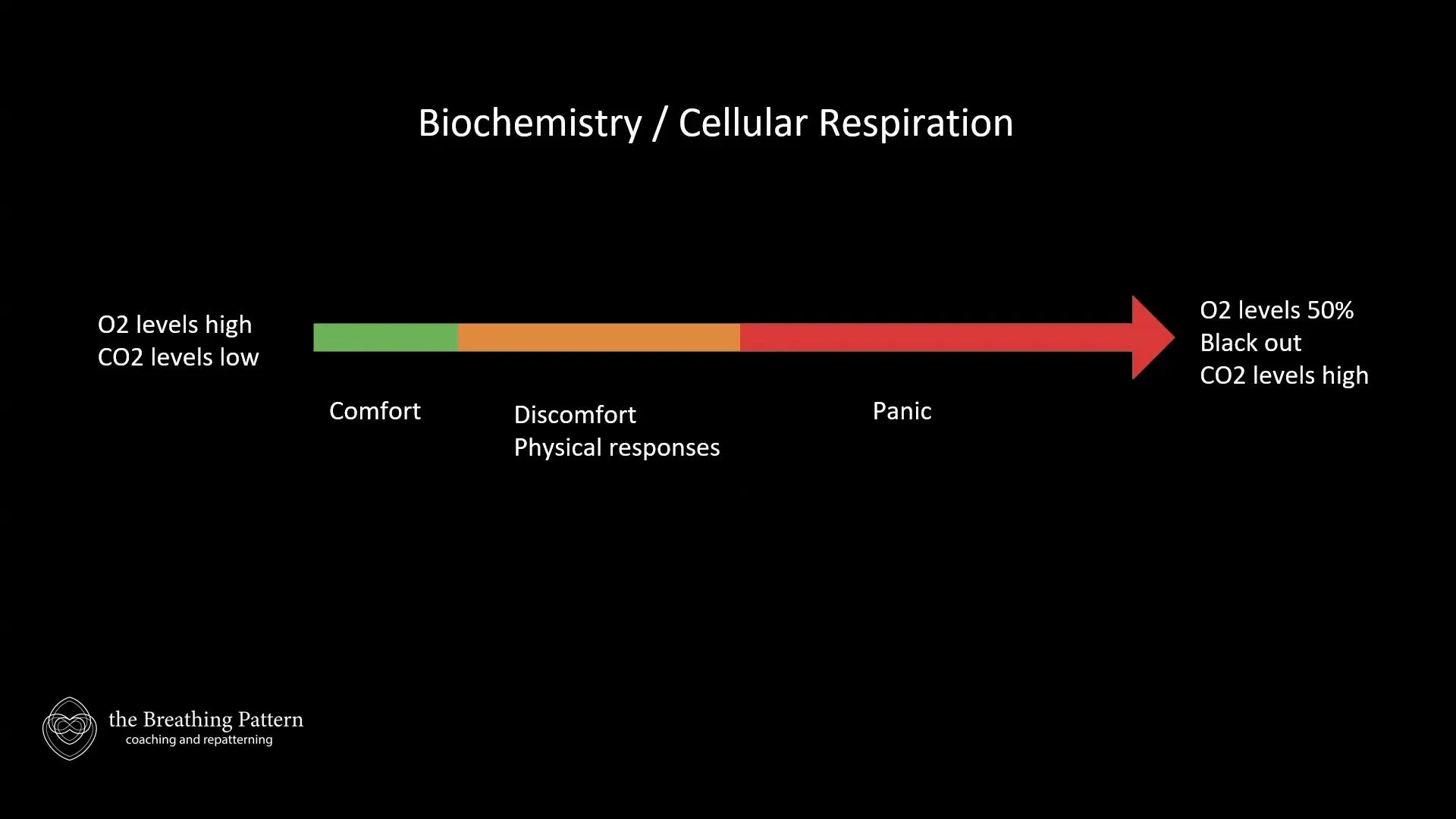
When we inhale, we bring in oxygen, which is absorbed in the lungs, enters the blood, and fuels cellular respiration.
This process produces carbon dioxide (CO2), which signals our body to breathe again. Understanding this cycle allows us to appreciate how our biochemistry influences our breathing and vice versa.
For example, when CO2 levels rise, our body sends signals to breathe, showcasing the intricate relationship between our breath and our physiological state.
First Exercise for YOU ⛽
To truly understand the influence of breath on our body and mind, let’s engage in some practical exercises. We’ll start with a breath-holding exercise designed to help you feel the effects of CO2 in your body.
90-Second Breath Hold
We will hold our breath for 90 seconds. While it may sound daunting, trust that it’s manageable. Everyone can hold their breath for about four minutes if they’re calm. Here’s the plan:
Take a deep inhale and hold your breath.
Notice how you feel as time passes—do you feel comfortable, then uncomfortable? This discomfort is a result of CO2 buildup.
When you feel the urge to breathe, observe your body's reactions and sensations.
This practice not only enhances your breath awareness but also increases your CO2 tolerance, which is essential for physical and mental resilience.
IMPORTANT (Please Read) 🚨
Don’t let yourself get to the red zone. The point of the exercise to let ourselves feel discomfort, test our boundaries, not to beat world record!
Don’t let your ego get ahead of you!
Understanding Breathing Mechanics 🧠
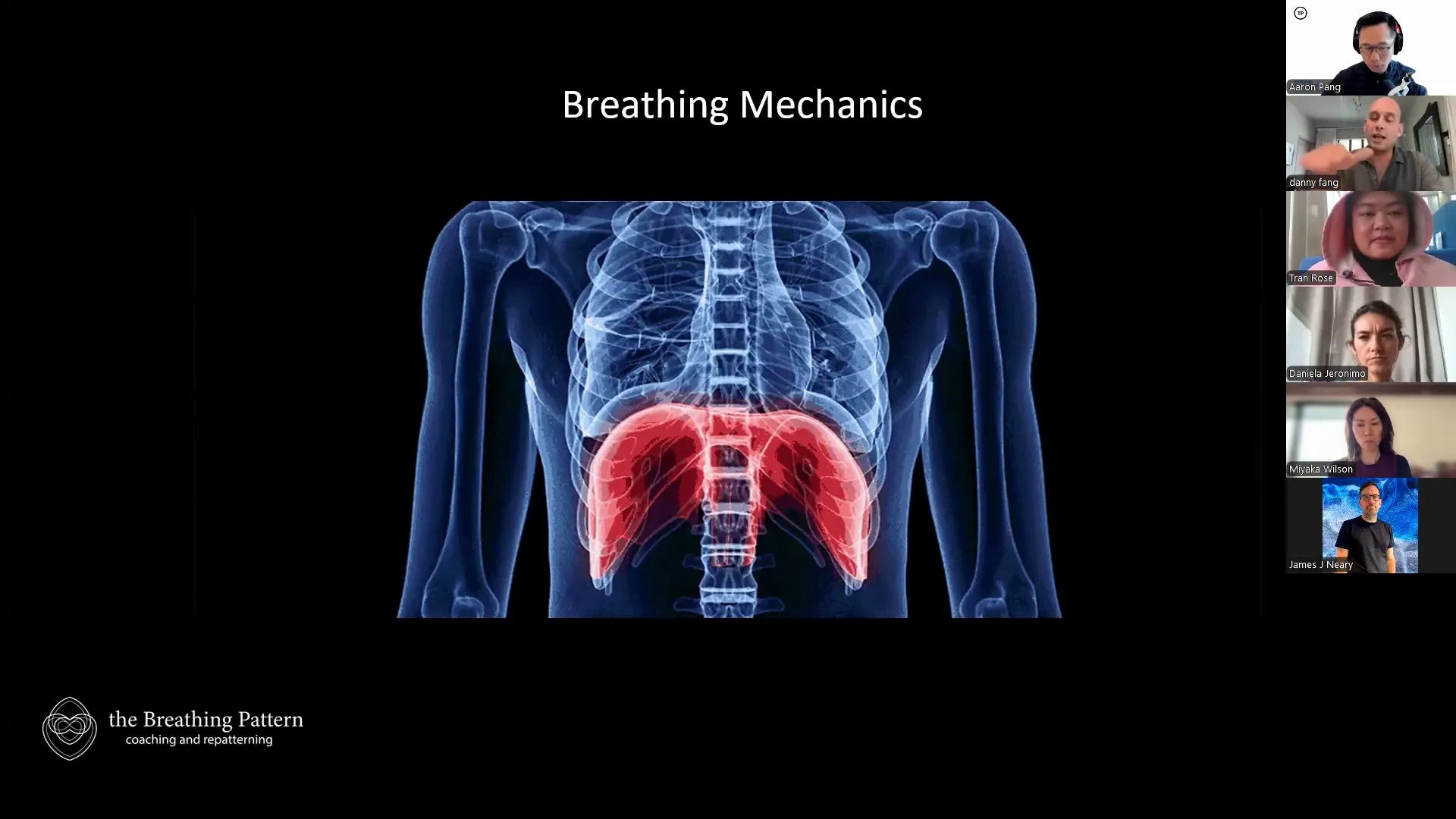
Let’s take a moment to understand how our breathing mechanics work. The diaphragm is the primary muscle used for breathing. When we inhale, the diaphragm contracts and moves downward, creating negative pressure in the thoracic cavity, allowing air to fill the lungs. A normal breath involves the diaphragm actively pulling down, while the exhale is typically passive as we simply let go.
Second Exercise for YOU - Diaphragmatic Breathing ⛽
To experience this, place one hand on your chest and one on your belly. When you breathe deeply into your diaphragm, your belly should rise. This is known as diaphragmatic or belly breathing. It’s crucial to develop all our breathing muscles, not just the diaphragm. For example, your intercostal muscles help expand the ribcage during inhalation.
The Nervous System Connection 🧠
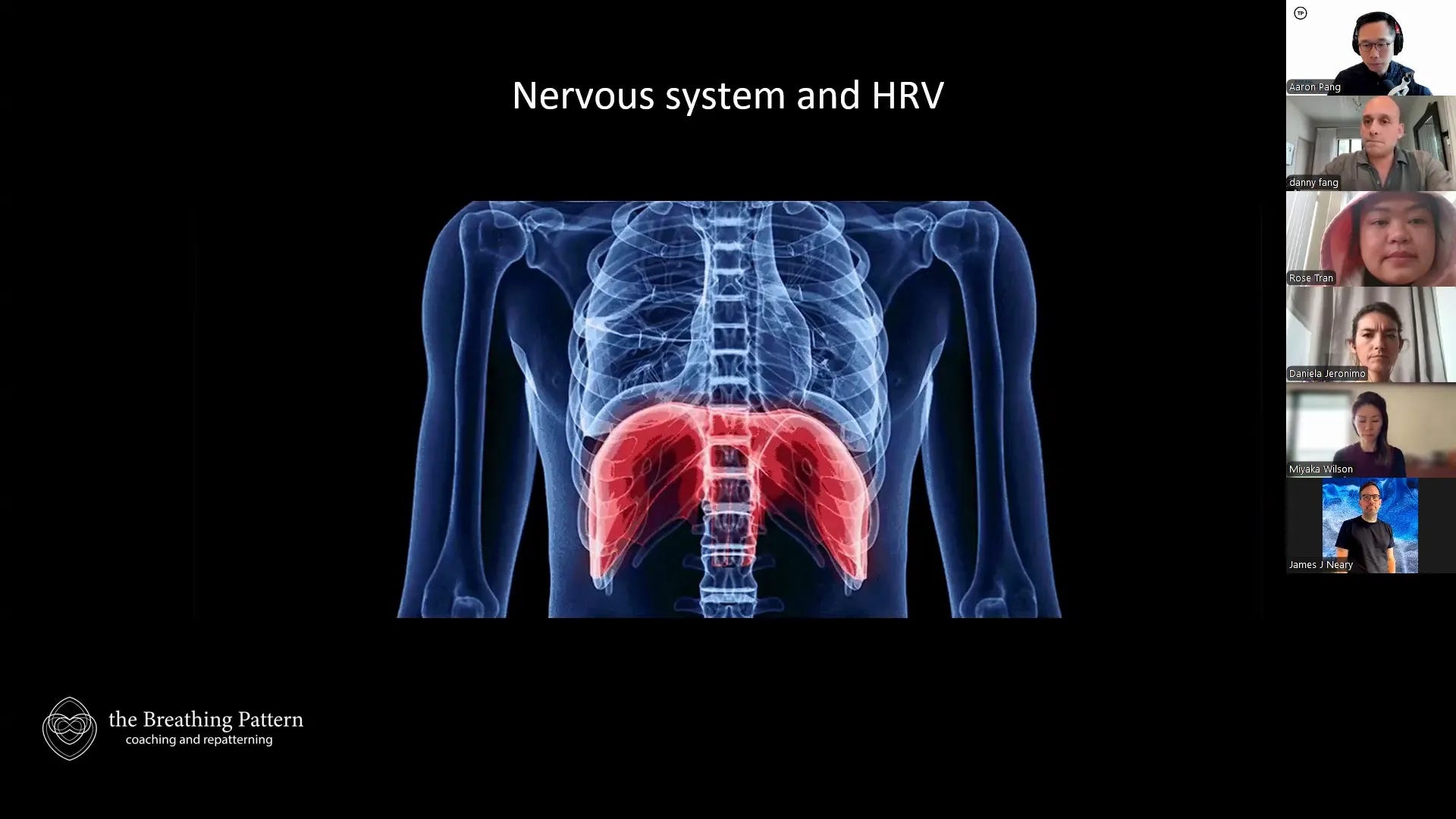
Breathing is closely tied to our nervous system. When we breathe shallowly, often due to stress or anxiety, we activate our sympathetic nervous system—the fight or flight response.
Conversely, deeper, slower breathing stimulates our parasympathetic nervous system, promoting relaxation and calm. This is where creativity thrives. If we can’t breathe deeply, we limit our ability to think outside the box.
Third Exercise for YOU - Balancing the Nervous System ⛽
To balance our nervous system, we can practice equal breathing—inhale for a count of four, and exhale for a count of four. This helps regulate our response to stress and enhances our overall well-being.
Breath as a Tool for Emotional Regulation 🧠
Breath also plays a vital role in emotional processing. Our diaphragm acts as a trampoline for emotions; when we breathe deeply, we can better process and release those emotions. This is crucial for maintaining emotional balance and mental health.
The Physiological Sigh
A technique called the physiological sigh can help release built-up tension. This involves taking a full inhale, followed by a bit more air, and then a long exhale. This method is particularly effective for reducing anxiety and stress.
I love what Danny said about parents,
“We should encourage our children to sigh when they feel stressed. Don’t teach them to suppress it. It’s a form of self-regulation.”
Last Exercise - The Sigh of Relief ⛽
To conclude our session, let’s practice the Sigh of Relief. This involves a longer inhale, filling up from the belly to the chest, and then a gentle letting go. This practice helps us release tension and brings us back to a state of calm.
Remember, you can practice this breath throughout your day, especially in moments of stress or anxiety. It’s a powerful tool to help you remain grounded and connected with your true self.
I hope you enjoyed this.
Evolve together,
Aaron