

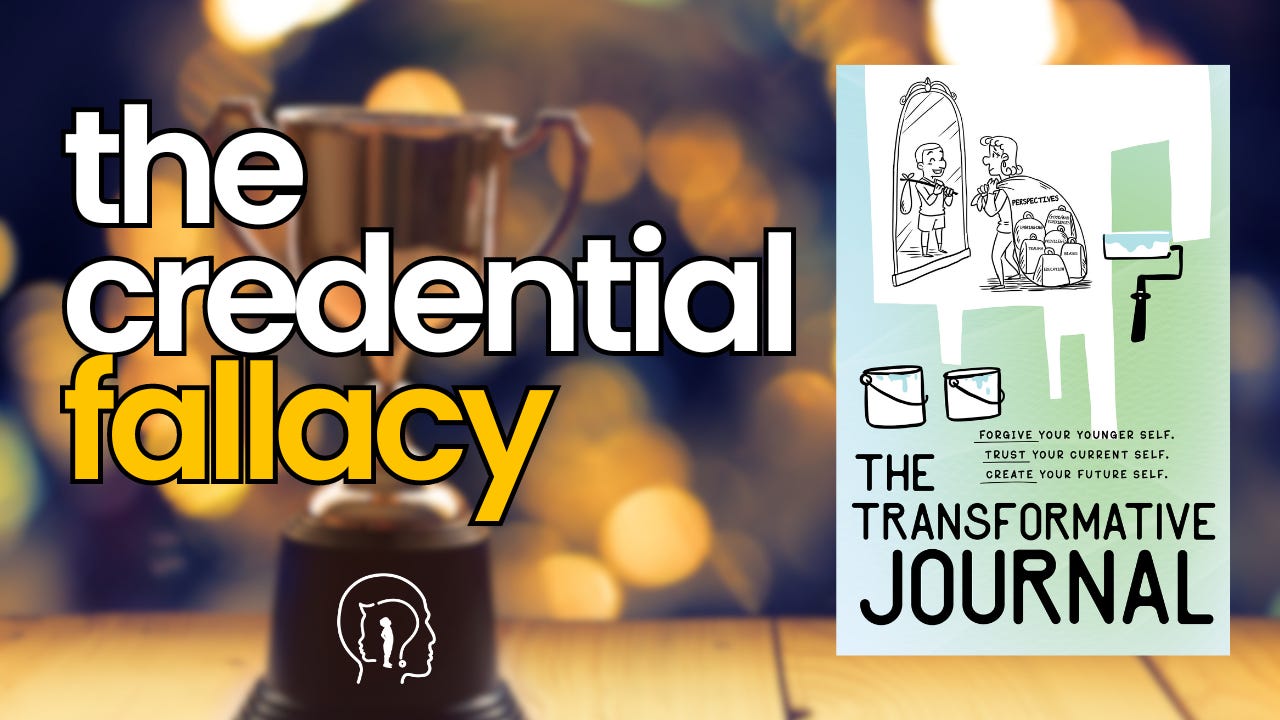
Credentials can serve as a valuable indication of a professional's training and knowledge in their respective fields. But it is essential to recognize that credentials alone do not guarantee the ability to provide effective guidance and support. The Credential Fallacy occurs when people assume that possessing certain credentials automatically translates to expertise and competence.
The danger arises when professionals use their credentials as a shortcut to understanding their clients' experiences without engaging in meaningful dialogue. Instead of asking open-ended questions and actively listening to their clients' stories, they may make leading statements or assumptions based solely on their professional background. When professionals make leading statements or assumptions about someone's emotional state, it can hinder the healing process. It risks dismissing an individual's progress and personal growth, invalidating alternative coping mechanisms that have been beneficial to them.
Counselors, therapists, and coaches play a vital role in guiding individuals towards healing and personal growth. The quality of their assistance relies not only on their credentials but also on their ability to ask insightful and exploratory questions. These questions should foster self-reflection, encourage personal growth, and create a safe space for individuals to express their emotions freely.
If you ever find yourself in a situation where a counselor's approach does not resonate with you or if you have concerns about their ethical practice, it is acceptable to seek a second opinion or explore other counseling options. Your well-being and growth should always be the priority.
Have you experienced the Credential Fallacy?
Have you noticed the types of questions people ask you when you are in your vulnerable state?
How do we ensure the quality of 1:1 vulnerable conversations which happen behind closed doors?
Evolve Together,
Aaron