

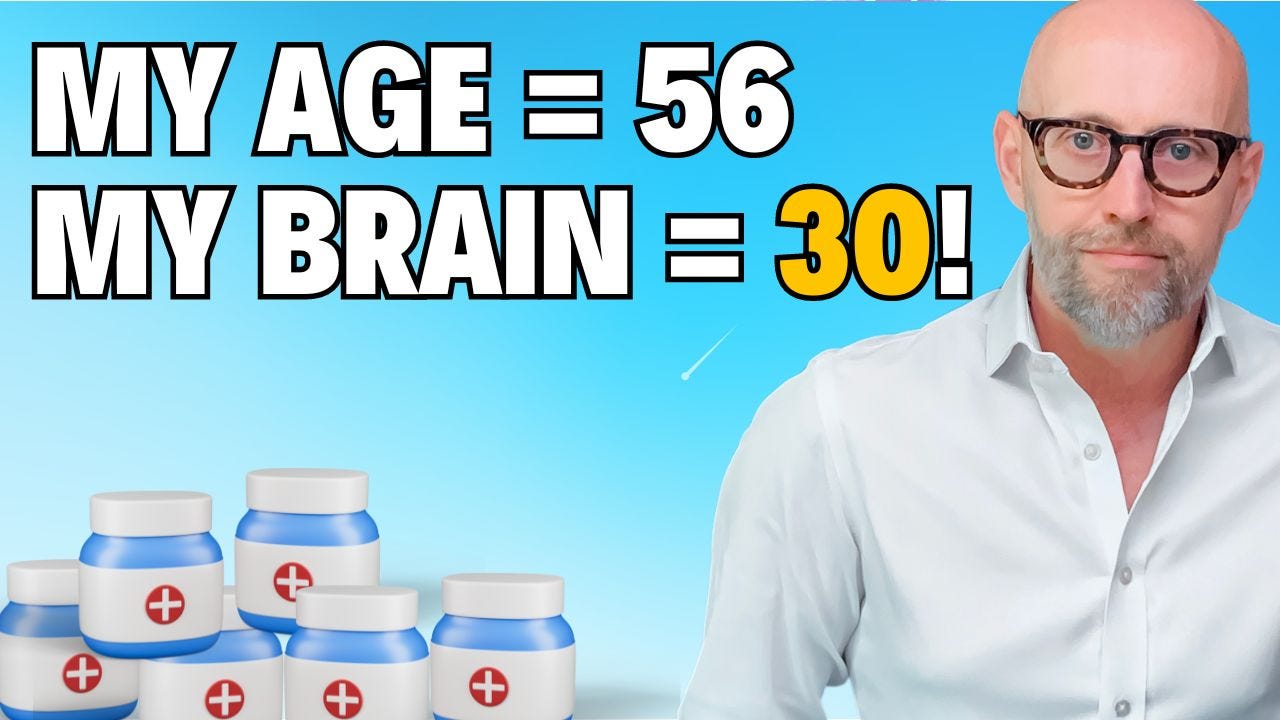
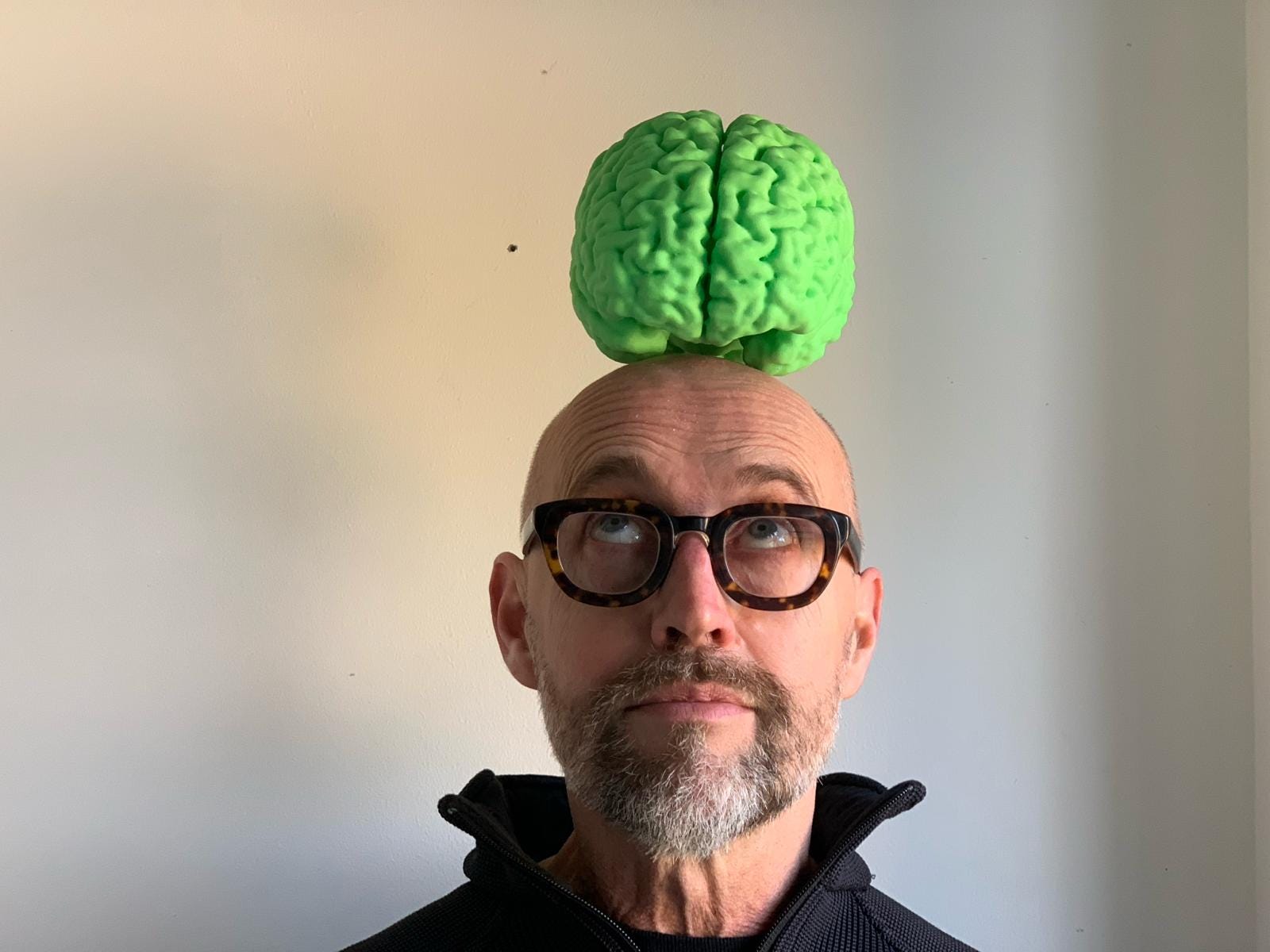
5 million users used the platform last year. Phil's is 56 years old this year. But his brain age is only 30!
What is longevity?
Is it a fad or snake oil?
Why now and why is it important?
What are the drivers for longevity?
How do we live a healthier life?
Here are some of the questions I asked Phil. It was a great pleasure to interview Phil Newman, CEO of Longevity.Technology. Their platform attracted 5 million users in the last 12 months.
Phil and I discussed the concept of longevity, his entrepreneurship journey, how to live a longer and healthier life, trending longevity topics, how people can navigate in this growing space, myths people should watch out for, and as a bonus, silly thing Phil did when he was younger.
So what is longevity? This is how Phil defines it.
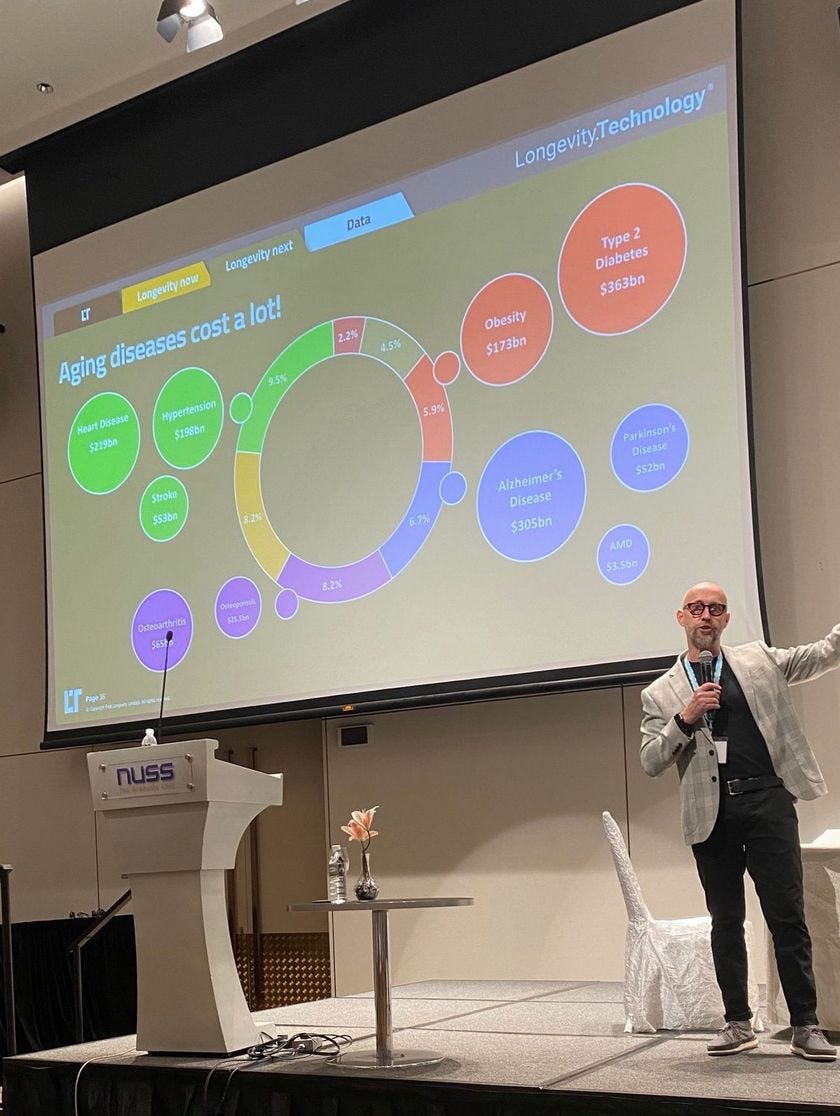
"A lot of people misinterpret longevity. This is not about having lots of old people living in hospitals, old folks homes and living to 120 years old. This is about living for as long as possible and in very good health. We will die at some point. Longevity is about compressing mobility, such that when our body is about to shut down, it happens in a couple of years, and not 15 to 20 years which is what we are experiencing at the moment."
Why is it important?
According to Statista, about 1 in 6 people will be over 65 years old by 2050. In Hong Kong and Korea, the numbers are shocking. 4/10 people will be over the age of 65. Now imagine, if almost half of the population are retired, but unhealthy, not productive, that means the other half (aged 1-64) will need to somehow produce for them, until they pass away. Not to mention about the implication of tax reduction and reducing birth rate in the society.
Longevity Drivers
When it comes to the drivers for longevity, it’s a case of back to basics. The drivers are diet, sleep, exercise, dropping alcohol as much as possible, managing your stress levels, movement and interaction with other people. Those seven are the basics, and seven things that everybody can do – and most of them are free.
"While there is a symbiosis between the drivers, personally, I have become particularly sleep obsessed since I started to understand longevity and what sleep means for me in terms of rejuvenating my body. I try now to get 8 and a half hours sleep a night. and I find that is a really important factor in my well-being.
I try to eat as healthily as possible, and exercise is really important as well. What type of exercise you do is your choice, but you have to exercise and you need to be able to mix different types of exercise. Just doing cardio all the time won’t cut it because you’re not putting your body under the necessary strain that it needs to be in order to accommodate what you need to do in in later life.
My brain age is 30 which I’m really happy about, because my cognition is something that’s quite important to me personally. One of my parents died from dementia and the other suffers with it, so I want to ensure I optimize my brain as much as I can. I want my children to think I’m still great company when I’m 95, rather than being burdened by my being infirm and unable to manage my own life."
Longevity is here to stay
"Longevity is most definitely not a fad; the concept that people felt it was snake oil was what I experienced at the beginning, but that has absolutely gone now. People are seeing the science coming through that aging is plastic – you can actually rewind the clock in the body. There’s very early science that’s looking to do that at a systemic level and do it over the whole body. I hope I am an example of longevity – biologically I’m 49, although I am 56 years old, so I’m an example of what’s possible.
The societal implications for an aging society means that there’s an absolute top down imperative from government now to make this a a solid science. Longevity is 100% an industry now. It’s still only 1/50 of the biotech industry, but that’s better than 1/150 of the biotech industry. And it’s definitely happening."
Longevity lessons
"Don’t do damage early! Younger people should think about the damage that they’re doing, whether it’s too much alcohol, staying up too late, burning the candle at both ends, experimenting with things in life – all of these things will come to get you later in life! Whereas, if you’re sensible, you can live longer and in a very healthy condition for longer, so you need to make sure you don’t do the damage too early. Interestingly, though, analysis shows that the largest population that would look to supplement for their future health is the 20 to 25-year-old bracket – and I find that really encouraging.
My hearing is going, and it’s very frustrating, but in my 20s I was a drummer, I played in a band, I went to loads of gigs, stood next to loads of speakers and now I have irreversible ear damage. I wish I’d worn ear plugs!
So, damage control and eat a healthy diet – the amount of rubbish that people consume now because it’s just so convenient is is doing a lot of metabolic damage to your body, and it’s hard to shift fat once you’ve got it, so start early!
When it comes to longevity influencers and advocates, people need to be sensible and read the detail. Don’t take an intervention or a supplement just because someone tells you it’s great. There are some very good supplements out there that are based on great scientific evidence, so I would always look at the science behind these interventions. Read the small print, research references and access background information on the choices that you’re making. Or just start with the basics – diet, sleep, exercise, less alcohol, less stress."
I have a lot of takeaways from this conversation. Read the fine print! Ask curious questions about the scientific studies and what those product labels are not telling you! Also, prevention is much better than reaction! Like Phil said, this isn't about reverse aging, this is about doing the things that we love, for as long as we can for the rest of our life!
Longevity is the new black!
Evolve Together
Aaron